

Homemade Guava Paste Recipe
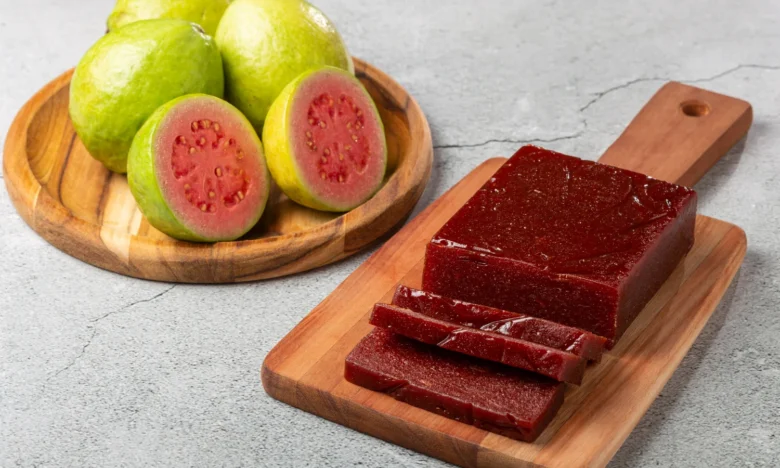

Guava paste is a classic in Puerto Rican kitchens, and making it fresh means you’ve got something uniquely yours – vibrant, tangy, and naturally sweet. Ready to bring a little tropical sunshine into your kitchen? Let’s do this!
What is Guava paste Recipe?
Homemade guava paste is a thick, sweet fruit paste made by cooking down ripe guavas with sugar and lemon until the mixture thickens into a rich, spreadable treat. It’s a staple in Puerto Rican and Latin cuisine, loved for its balance of fruity sweetness and a touch of citrus brightness. The paste is great for snacking or baking and beats store-bought versions with its fresh flavor and natural texture. If you enjoy homemade baked goods, it pairs nicely with treats like banana bread for a sweet combination.
Ingredients
- 5 lbs (about 9 cups) fresh ripe guavas
- 3/4 cup water
- 2 cups white granulated sugar
- 1 cup powdered sugar
- 1 fresh lemon (zested and juiced)
Kitchen Equipment Needed
- Large pot or saucepan
- Potato masher or wooden spoon
- Fine mesh strainer
- Loaf pan or heat-safe mold
- Spatula
- Plastic wrap or airtight containers for storage
How to Make Guava paste?
Step 1:
Prep the guavas by cutting off the stem, peeling away any brown spots, and chopping them into chunks.
Step 2:
Add the guava chunks and water to a pot. Bring it to a low boil, then reduce to a simmer. Cook uncovered for about 30 minutes until the fruit is soft and fork-tender.
Step 3:
Use a potato masher or a wooden spoon to mash the guavas until mushy.
Step 4:
Strain the fruit mixture through a fine mesh strainer to remove seeds and fibers. Use the back of a spoon to press the puree through. This may take some time, so be patient.
Step 5:
Transfer the strained puree back to a clean pot. Stir in granulated sugar, powdered sugar, lemon zest, and lemon juice. Mix well to combine.
Step 6:
Cook the mixture over medium heat, stirring frequently, for another 30 to 40 minutes until it thickens and becomes a deep reddish color. The guava paste should start to clump and hold together.
Step 7:
Pour the thickened paste into a parchment-lined or lightly greased loaf pan. Use a spatula to smooth the surface.
Step 8:
Cover and let it cool to room temperature, then refrigerate overnight until firm.
Step 9:
Once set, slice the guava paste into chunks, wrap tightly, and store in the refrigerator.
Some Tips!
- Use ripe guavas that are soft and fragrant for the best flavor.
- Don’t rush the straining step; patience will give you a smooth, seed-free paste.
- Stir frequently during the final cooking to prevent burning or sticking.
- If you prefer a spreadable texture, warm a slice with a little water or microwave briefly before serving.
- Store wrapped pieces individually to keep them fresh and easy to grab.
How to Store Leftovers?
Wrap guava paste pieces tightly in plastic wrap or store in airtight containers. Keep refrigerated for up to 1 month or freeze for up to 3 months. Make sure to thaw fully before use to enjoy the best texture.
What to Eat With?
This homemade guava paste pairs wonderfully with a simple cheese & cracker platter, where the sweet paste complements sharp cheddar perfectly. It’s also fantastic baked into puff pastry for pastelillos de guayaba or tucked inside a homemade empanada dough with cream cheese, just like in popular Puerto Rican treats. For a meal, serve it alongside Puerto Rican rice and beans or Moroccan couscous for a fun fusion experience.
FAQ
Can I use frozen guava pulp for this recipe?
Yes, but it depends if your pulp is already strained. If seed-free, start at the step combining with sugar and lemon. If it contains seeds, begin by cooking it down as with fresh guavas.
Do I need to peel the guavas before cooking?
No, you don’t have to. The straining step removes the peel and fibers, so leaving them on is fine.
How long does the cooking process take?
The initial simmer is about 30 minutes, and the reduction step takes another 30 to 40 minutes.
Will the guava paste keep its shape?
Yes, chilling overnight helps it set firm, so it holds together well when sliced.
What if my guavas aren’t super ripe?
The paste might be less sweet and a bit firmer. It’s best to wait for soft, fragrant guavas for optimal results.
Conclusion
Making homemade guava paste is a rewarding way to capture fresh tropical flavors in your kitchen. It’s perfect for snacks, baking, or adding a sweet touch to your favorite Latin dishes. Next time you have ripe guavas on hand, give this homemade guava paste a try – you’ll see the difference fresh makes and love having this delicious staple ready to go.