

How to Cook Perfect White Rice? (Tips & Tricks That Actually Work)
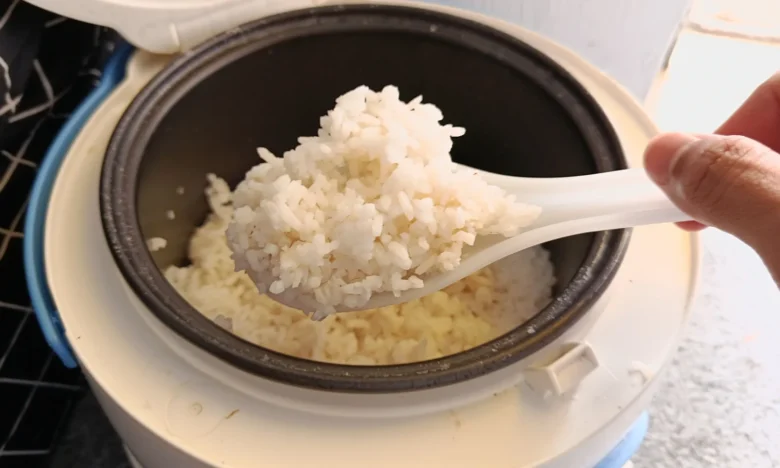

White rice seems simple, yet it’s one of the most commonly messed-up foods in home kitchens. Texture issues like stickiness or undercooking are extremely common, especially among beginners.
According to research discussed by USA Rice Federation, rice preparation habits vary widely, and improper ratios and techniques are among the top reasons for inconsistent results. Combine that with general cooking error rates, and it’s safe to say a large chunk of home cooks are winging it.
Perfect rice isn’t luck. It’s control.
Why Cooking Rice Correctly Matters?
Rice is a staple food for more than half the world’s population. The Food and Agriculture Organization estimates that over 3.5 billion people rely on rice as a primary food source.
When cooked properly, white rice should be light, fluffy, and made up of separate grains. When done badly, it drags down the entire meal. No one remembers the main dish if the rice feels like paste.
The Perfect Rice-to-Water Ratio
This is where things usually fall apart.
For standard white rice:
- 1 cup rice : 1.5–2 cups water
Typical breakdown:
- Basmati → 1:1.5
- Jasmine → 1:1.75
- Long-grain → 1:2
Too much water gives you mush. Too little gives you crunchy disappointment.
Even Harvard T.H. Chan School of Public Health notes that proper cooking methods affect both texture and digestibility, meaning this isn’t just about taste. You’re also affecting how your body processes it.
Step-by-Step Method (Stovetop)
1. Rinse the Rice (Don’t Skip This)
Rinse under cold water until it runs clear.
This removes excess surface starch, which is what turns rice into a sticky mess. It’s not optional unless you enjoy clumps.
2. Bring Water to a Boil First
Add water and salt, bring it to a boil, then add rice.
This ensures even cooking from the start instead of guessing halfway through.
3. Add Rice and Reduce Heat
Once rice is added:
- Stir once
- Reduce heat to low
- Cover tightly
After this point, your job is to leave it alone.
4. Simmer Without Touching It
Cook for 15–18 minutes.
Lifting the lid releases steam and messes with the cooking environment. The rice isn’t going anywhere. You don’t need to check on it like it’s about to escape.
5. Let It Rest (Critical Step)
Turn off the heat and let it sit covered for 10 minutes.
This allows moisture to redistribute evenly across the grains. Skipping this is one of the biggest reasons for uneven texture.
6. Fluff, Don’t Stir
Use a fork to gently fluff.
Aggressive stirring breaks grains and turns everything into a soft pile of regret.
Pro Tips from Experience
- Use a heavy-bottomed pot. Thin cookware leads to burned bottoms and uneven cooking.
- Add a small amount of butter or oil. This helps separate grains and adds flavor.
- Salt your water. Even a pinch dramatically improves taste.
- Stick to the absorption method. Unlike the “drain it like pasta” approach (which should be retired), this method gives consistent, professional-level results.
Common Mistakes (And How to Avoid Them)
- Too much water leads to mush. Measure properly.
- Stirring during cooking releases starch and causes stickiness. Leave it alone.
- Skipping rinsing leads to clumping. Rinse until the water runs clear.
- Cooking on high heat burns the bottom while leaving the top undercooked. Always simmer low.
- Skipping resting time creates uneven texture. Let it sit.
Rice Cooker vs Stovetop
Rice cookers are designed for consistency. Many modern models use sensors to adjust temperature and timing automatically.
According to product testing and kitchen appliance analysis from sources like Consumer Reports, rice cookers consistently outperform manual methods in repeatability and ease of use.
Stovetop cooking gives more control, but also more opportunities to mess it up.
Nutrition Snapshot (Per 1 Cup Cooked White Rice)
- Calories: ~200
- Carbohydrates: 45g
- Protein: 4g
- Fat: 0.5g
Data based on United States Department of Agriculture.
It’s a simple carbohydrate source. Not magical, not terrible. Just efficient energy.
Final Thoughts
Perfect white rice comes down to discipline more than skill.
Get the ratio right.
Use low heat.
Stop interfering while it cooks.
Let it rest properly.
Do those things consistently, and your rice stops being an afterthought and starts acting like it belongs on the plate.